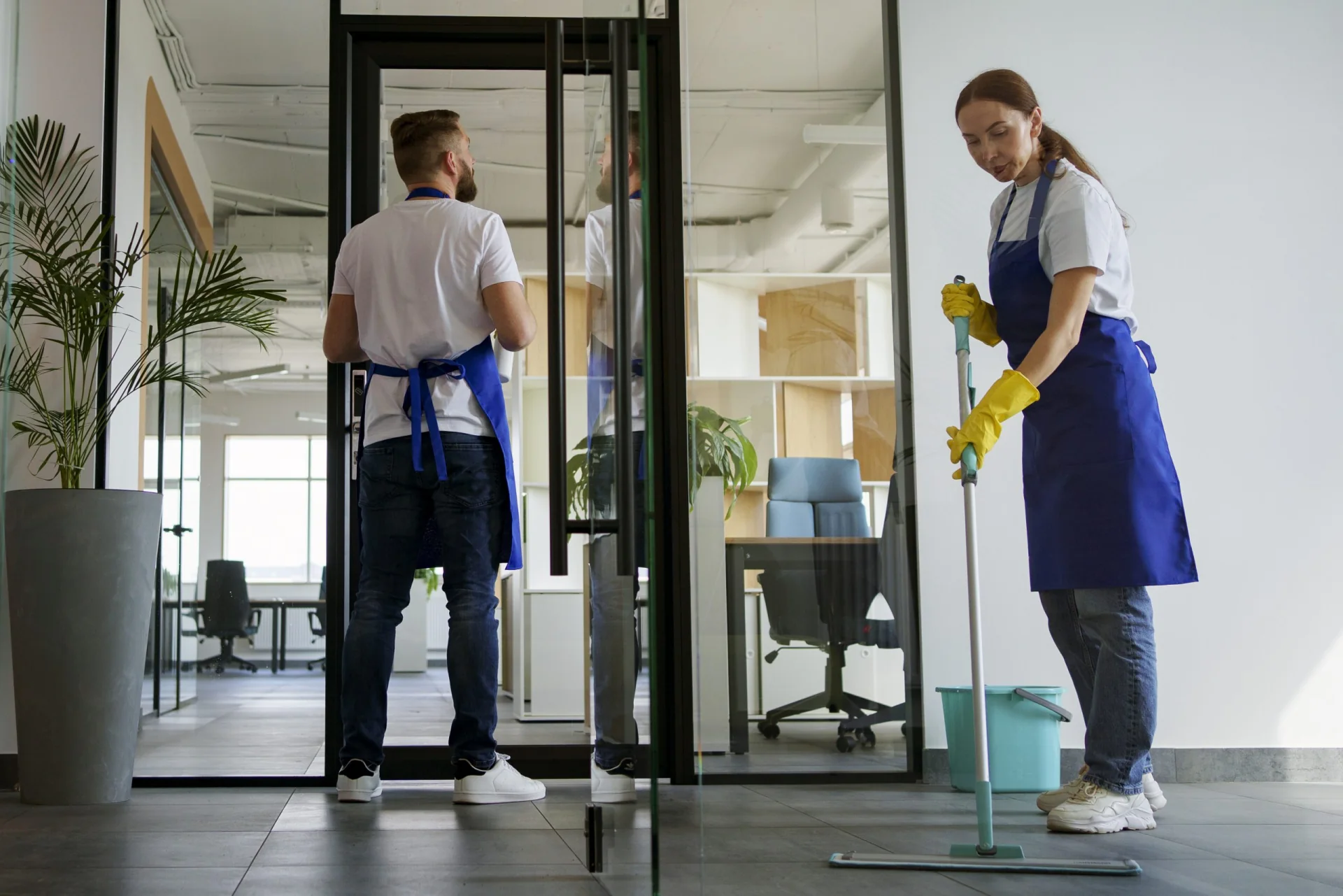

The commercial cleaning industry in the UK is experiencing a major transformation as businesses and consumers alike shift towards more environmentally responsible practices. One of the key trends shaping the future of this industry is the rise of sustainable cleaning methods. From eco-friendly cleaning products to energy-efficient technologies, businesses are adopting greener practices that not only help the planet but also enhance their reputations and operational efficiency.
Why the Shift Toward Sustainability?
The shift toward sustainability in commercial cleaning is driven by several factors. Firstly, environmental awareness has become more widespread across the UK. Consumers are more informed than ever before, and they expect businesses to take responsibility for their environmental impact. Whether it's through reducing carbon footprints or eliminating harmful chemicals from cleaning processes, businesses are under pressure to adopt greener practices.
Moreover, UK regulations and government initiatives are pushing for more sustainable business practices. Policies aimed at reducing waste, promoting recycling, and encouraging the use of non-toxic cleaning products have created a demand for cleaning services that align with these environmental goals. Companies that fail to adapt may find themselves at a disadvantage in an increasingly eco-conscious market.
The Role of Technology in Sustainable Cleaning
One of the key enablers of sustainable commercial cleaning is technology. Innovative solutions such as energy-efficient vacuum cleaners, water-saving cleaning systems, and autonomous robotic cleaners are helping companies reduce their environmental impact while maintaining high standards of cleanliness. For example, robotic cleaners use less water and electricity than traditional methods, while smart sensors allow for more targeted cleaning, reducing waste and energy usage.
Additionally, software solutions that optimize cleaning schedules based on foot traffic and usage patterns have become more prevalent. These tools ensure that cleaning is done only when necessary, reducing the use of resources like water, electricity, and cleaning products.
Eco-Friendly Cleaning Products
Another significant trend in the UK commercial cleaning industry is the use of eco-friendly cleaning products. Traditional cleaning products often contain harsh chemicals that can be harmful to both the environment and human health. In response, many cleaning companies are transitioning to green alternatives that are biodegradable, non-toxic, and derived from sustainable sources.
These eco-friendly products are becoming more effective, thanks to advancements in green chemistry. They are now capable of tackling tough stains and dirt without the negative environmental consequences of their conventional counterparts. Businesses are keen to showcase their use of such products as part of their broader sustainability initiatives, helping to boost their public image.
Reducing Waste and Embracing Recycling
Sustainability in cleaning is not limited to the products and methods used. It also extends to waste management and recycling. Many commercial cleaning companies in the UK are adopting zero-waste policies, ensuring that any waste generated during the cleaning process is either recycled or disposed of responsibly.
For example, microfibre cloths, which can be washed and reused hundreds of times, are increasingly being used in place of disposable cleaning materials. Furthermore, some companies are introducing circular economy models where cleaning equipment is repaired and repurposed rather than discarded, reducing the environmental impact.
The Benefits for Businesses
The move toward sustainable commercial cleaning offers numerous benefits for businesses. Firstly, it helps companies meet their corporate social responsibility (CSR) goals. By adopting eco-friendly cleaning practices, businesses can demonstrate their commitment to environmental sustainability, which can be a significant differentiator in competitive markets.
Moreover, many green cleaning practices also result in cost savings. Energy-efficient equipment and optimized cleaning schedules reduce electricity and water consumption, while the use of reusable materials cuts down on waste disposal costs.
Finally, a cleaner, greener working environment can have positive effects on employee health and productivity. With fewer harsh chemicals in the air and less dust buildup, employees may experience fewer allergic reactions or respiratory issues, leading to a healthier workforce.
Conclusion
The rise of sustainable commercial cleaning in the UK is more than just a passing trend; it reflects a fundamental shift in how businesses view their role in environmental stewardship. By embracing eco-friendly cleaning products, adopting energy-efficient technologies, and reducing waste, commercial cleaning companies are helping to create a greener, healthier future for everyone. As sustainability becomes a key factor in business decision-making, companies that lead the way in adopting these practices will not only help protect the environment but also gain a competitive edge in the marketplace.